In Dixon, the river's most dangerous moments sometimes arrive with ice still on it. In March 2019, the National Weather Service issued a flood advisory for the Rock River at Dixon with the river ice-affected at 12.0 feet — the signature of an ice-jam flood, where frozen chunks dam the channel and send water surging into places the gauge never predicted. Dixon's gauge reads flood stage at 16.0 feet and action stage at 13.0 feet, and the city has learned that winter water can be as destructive as spring water.
The Rock River flows straight through town, and Dixon knows its moods: spring 2013 brought prolonged high water from upstream snowmelt and rain, and the October 2019 forecast warned that at 15.0 feet, Page Drive would be threatened near the band shell in Page Park — the park's riverfront structures flood first. In South Dixon, steep streets run downhill to the river, racing stormwater toward the low ground and the First Street shops. North Dixon's 19th- and early-20th-century bungalows, Victorians, and National Folk styles carry basement drains that take water first. Wind has its own history: an April 2026 tornado destroyed a barn, gazebo, trailer, and car while the house was narrowly spared, and a family of F2 tornadoes cut a 70-mile path from Dixon to Joliet in August 1958. Ice jam, river crest, steep-street runoff, or tornado-opened roof — Rapid Water Damage Restoration Illinois answers 24/7 in Dixon. Call (773) 200-3228.
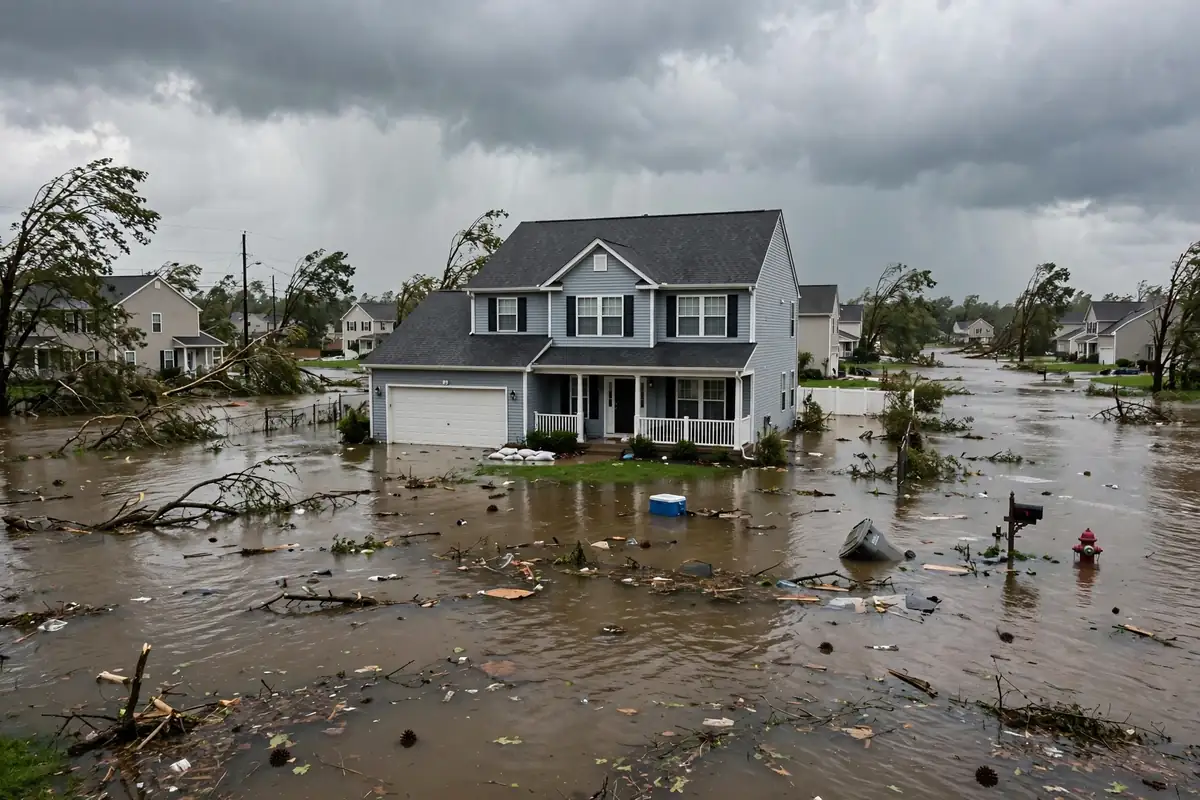
Our Dixon restoration process
- Call (773) 200-3228 — we're here 24/7. Tell us what you're seeing: rising water, a backup, ice on the river, or storm damage. During an active flood we'll ask which side of the river you're on.
- We identify the water category. Rock River overbank, ice-jam surge, sanitary backup, or a clean supply-line break — each demands its own cleanup protocol, and it determines your insurance documentation.
- We extract. High-powered pumps and portable extractors remove standing water from basements, living areas, and crawl spaces fast.
- We dry it thoroughly. Commercial air movers and dehumidifiers pull moisture from walls, subfloors, and framing, with moisture-meter readings taken daily until every material tests dry.
- We clean and protect. Flood- and sewage-contacted surfaces are disinfected, compromised porous materials are removed, and we monitor for mold throughout drying.
- We rebuild and close the loop. Damaged drywall, flooring, and finishes are restored to pre-loss condition, every photo and moisture log is packaged for your adjuster, and we walk the job with you before we leave.
Areas we serve in Dixon
We serve all of Dixon in ZIP 61021 (area code 815): North Dixon's oldest homes near the waterfront, South Dixon's steep streets running downhill to the river, the First Street shops downtown, the Dixon Riverfront and Heritage Crossing, Page Park and the band shell, Lowell Park, Veterans Memorial Park and the Arch at S Galena Avenue and 2nd Street, the Illinois Central Stone Arch Railroad Bridges of 1852–1855, the Dixon Telegraph Museum, and the Ronald Reagan Boyhood Home at 816 S Hennepin Avenue. We reach you via I-88 and U.S. Route 52. River rising or basement backing up — call (773) 200-3228.
Common causes of water damage in Dixon
- Ice-jam flooding. A recurring Dixon hazard: the March 2019 NWS flood advisory found the Rock River ice-affected at 12.0 feet, warning of rapid fluctuations and movement of river ice with little warning as jams dam the channel.
- Rock River crests. The NWS gauge at Dixon reads flood stage at 16.0 feet and action stage at 13.0 feet; spring 2013 brought prolonged high water from upstream snowmelt and rain.
- Page Park floods first. The October 2019 forecast noted that at 15.0 feet, "Page Drive is threatened near the band shell in Page Park" — the park's riverfront structures are the first to take water, a reliable early-warning sign for nearby homes.
- Steep streets and fast runoff. South Dixon's steep streets run downhill to the river, funneling stormwater quickly toward the low ground and the First Street commercial district.
- Older homes with basement drains. North Dixon's 19th- and early-20th-century bungalows, Victorians, and National Folk styles near the waterfront carry basement drains that take water first when the river is high or the rain is heavy.
- Tornado and freeze damage. The April 2026 tornado destroyed outbuildings across a Dixon property while sparing the house; the January 2019 polar vortex brought record regional cold, the classic freeze-thaw setup for burst pipes and cracked water mains.
Our Dixon water damage services
Emergency water extraction. Rock River overbank, ice-jam surge, steep-street runoff at your foundation, or a burst pipe after a deep freeze — our truck-mounted pumps and portable extractors clear standing water fast.
Structural drying and dehumidification. Dixon's older housing stock — bungalows, Victorians, and Folk-style homes with plaster, hardwood, and century-old framing — needs patient, metered drying. We verify with moisture meters daily until hidden cavities read dry.
Mold remediation. River-flood moisture lingering in basements and wall cavities creates ideal mold conditions. We contain affected areas, remove contaminated materials, and treat surfaces to IICRC standards.
Sewage cleanup. When heavy rain or high river stages stress older basement drains, sewage can back up into living space. We extract category-3 water in full PPE, remove contaminated porous materials, and disinfect every affected surface.
Storm damage repair. Tornado-opened roofs, wind-driven rain through broken windows, and ice-jam debris damage — we secure the structure, extract interior water, dry it, and rebuild to pre-loss condition.
Cost factors & insurance claim help
We never quote by phone — every Dixon loss is scoped on its facts: the water category (clean supply water versus Rock River floodwater versus sewage), how much of the structure stayed wet and for how long, and the age and materials of the home. Two Dixon-specific coverage questions matter: river overbank flooding is generally a flood-insurance matter, while ice-jam surges, burst pipes, and wind-driven rain typically fall under a standard homeowners policy. We photograph and log everything, review your coverage with you, and work directly with your insurance company from first call to final walkthrough.
Frequently asked questions
What is ice-jam flooding, and why is Dixon prone to it?
An ice jam forms when broken river ice piles up and dams the channel, forcing water to surge into areas the river stage never predicted. In March 2019, the National Weather Service issued a flood advisory for the Rock River at Dixon with the river ice-affected at 12.0 feet, warning of rapid fluctuations with little warning. It's a recurring Dixon hazard — winter water that arrives faster and less predictably than a spring crest.
Why does Page Park flood before anywhere else in Dixon?
Because it sits lowest on the riverfront. The October 2019 NWS forecast noted that at 15.0 feet, "Page Drive is threatened near the band shell in Page Park" — the park's riverfront structures flood first. For nearby homeowners, water in Page Park is the early-warning sign: if the band shell area is going under, check your basement and call (773) 200-3228.
How do Dixon's steep downtown streets affect water damage?
In South Dixon the streets run steeply downhill to the river, so stormwater doesn't linger — it races. During heavy rain, runoff concentrates fast along the low ground and the First Street commercial district, overwhelming drains and pooling at foundations. At the bottom of one of those grades, a heavy storm can put water at your door in minutes.
What happened in the April 2026 Dixon tornado?
A tornado struck Dixon in April 2026, and one homeowner's account tells the story: the barn, gazebo, trailer, and car were destroyed while the house itself was narrowly spared. Even a near-miss opens roofs and breaks windows, letting rain pour in — which is why tornado damage so often becomes a water-damage claim too.
What was the 1958 Dixon tornado?
On August 15, 1958, a family of F2 tornadoes moved across a 70-mile path from Dixon through Compton and Sandwich to Joliet. It's part of a long local pattern — regional tornadoes routinely open roofs and siding to the rain that follows. After any tornado, get the structure dried and secured fast, before water does the slow damage the wind started.
Water Damage in Dixon? We Respond 24/7
Every minute counts. Rapid Water Damage Restoration Illinois dispatches certified technicians across Dixon day and night — with insurance documentation handled for you.
Call (773) 200-3228 NowWater Damage Restoration Services in Dixon
- Our water damage restoration service
- Commercial Water Damage Restoration in Dixon
- Residential Water Damage Restoration in Dixon
- Emergency Flood Cleanup in Dixon
- Storm & Flood Damage Restoration in Dixon
- Ceiling & Wall Water Damage Repair in Dixon
- Sewage Backup Cleanup in Dixon
- Mold Remediation in Dixon
- Burst Pipe & Leak Water Damage in Dixon
- Drying & Dehumidification in Dixon
Helpful Water Damage Guides
- Water Damage From Roof Leaks: Illinois Guide
- What to Do When Your Basement Floods: A Step-by-Step Emergency Guide
Official resources: FEMA FloodSmart (flood insurance) and EPA guide to mold and moisture.